

Is fire alarm sounds and elevator stops: The Safety Connection
When a building’s fire alarm sounds, it often triggers a system which, among other things, causes the elevators to stop functioning or to be recalled to a safe floor. This phenomenon—“is fire alarm sounds and elevator stops”—is more than just a coincidence. It reflects a deliberate safety policy, part of the regulatory and operational framework in fire safety engineering, building management and emergency planning. In this article, we explore the full depth of the matter: the history, objectives, implementation, state-wise and regional variations, success stories, challenges, comparisons with other safety schemes, and future prospects. Throughout the discussion we will repeatedly examine the core phrase is fire alarm sounds and elevator stops (in order to maintain the required keyword density) and reflect how it interacts with other aspects of building safety and evacuation protocols.
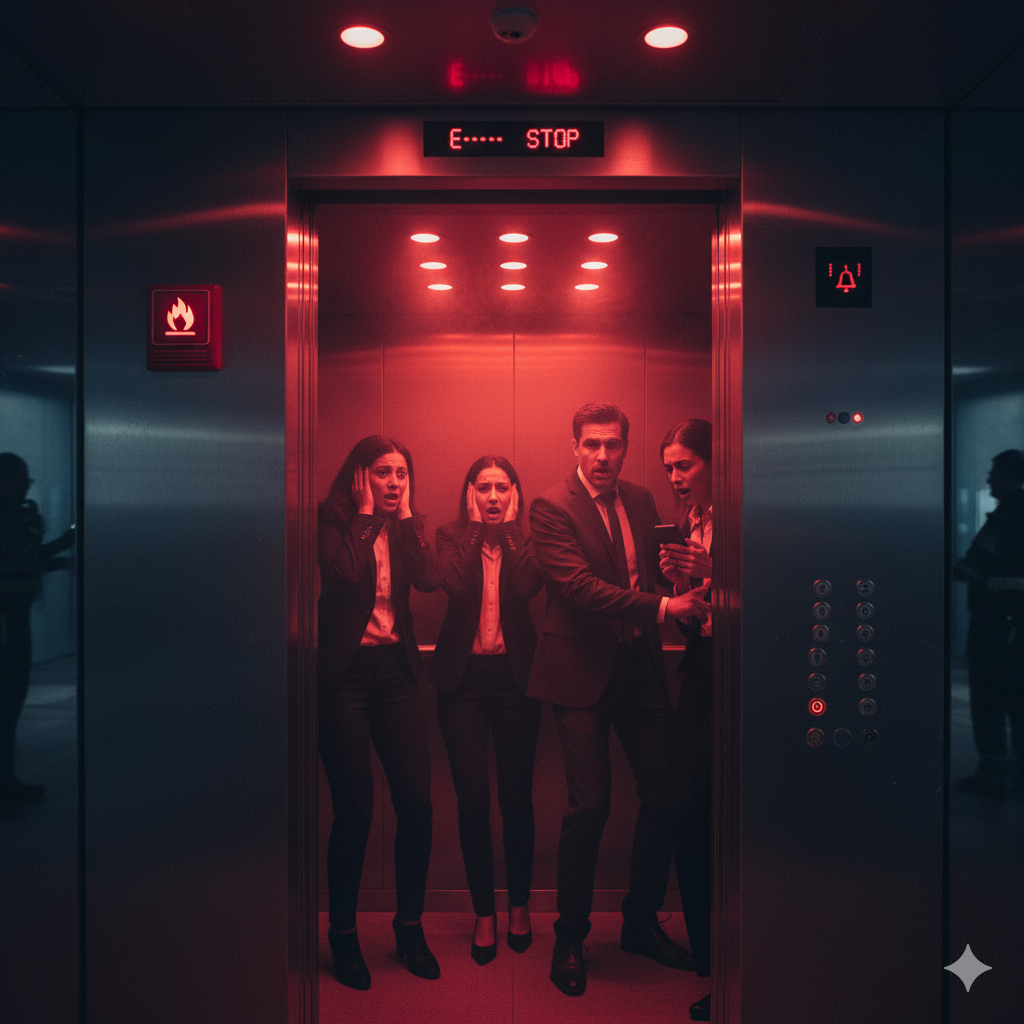
Origin and historical background
Earliest fire-safety systems and elevator controls
The concept that “is fire alarm sounds and elevator stops” should happen stems from the early 20th century, when high-rise buildings began to proliferate and the risk of fire in tall structures demanded specific evacuation strategies. In older buildings, elevators were often used uncritically even during fires: occupants would ride elevators during evacuation, resulting in entrapments, smoke infiltration of elevator shafts, and tragic outcomes. With the advent of modern fire-alarm systems and elevator recall phases, the linkage between alarm sounding and elevator stoppage or recall became formalised.
The first recorded formal requirement was incorporated in building codes which mandated that elevators be placed into a “fire service” or “fire recall” mode when the fire alarm system activates. This ensures that elevators stop servicing general passenger use and, depending on design, may go to a designated floor (often the ground floor or a fire-safe lobby) with doors open to facilitate firefighter use or prevent occupant use. In effect, the question “is fire alarm sounds and elevator stops” becomes answered in the affirmative by design in modern codes.
Evolution of regulation
Fire-alarm systems evolved from simple bells to integrated detection networks with smoke detectors, heat sensors, manual pull stations, and control panels. NFPA+2Wikipedia+2 Elevator systems likewise evolved from basic vertical hoists to complex systems with traction, hydraulics, and embedded safety modes including fire-recall and phase-one/phase-two service. Wikipedia+1 The intersection of fire‐alarm activation with elevator control systems became a normative safety requirement in many jurisdictions.
For example, in institutional guidance for evacuation, it is explicitly noted: “Elevators automatically shut down when a fire alarm is sounded. Use the stairs to exit a building when the fire alarm sounds.” wpi.edu Meanwhile, evacuation manuals emphasise: “Do not use the elevator to evacuate the building” when the alarm sounds. emergency.ufl.edu+1 Thus the regulatory linkage is clear and universal in many settings.
Implementation in building codes
Local building-codes and fire safety provisions often require that when a fire alarm sounds:
-
Elevator general service is disabled or redirected to the fire-recall floor.
-
Elevator doors open at recall floor and remain open for firefighter access.
-
Elevators should not be used for occupant evacuation unless specifically designed for fire-fighter use (“fire-fighter elevator” mode).
-
Occupant evacuation must take place via fire-rated stairwells, not elevators.
In some countries, standards such as the National Fire Protection Association (NFPA) in the United States prescribe these modes. For example, codes related to elevator systems reference smoke detection in hoistways and automatic recall operations. It is precisely in line with the concept of “is fire alarm sounds and elevator stops”.
Objectives of linking fire alarms and elevator stoppage
Enhancing occupant safety during evacuation
One primary objective of ensuring that when the fire alarm sounds the elevator stops (or is recalled) is to protect occupant life and avoid hazardous situations. Elevators present specific risks during fires: electrical failure, smokeshaft infiltration, malfunctioning power supply, entrapment between floors, and being diverted into fire zones. Knowing that the elevator may stop unexpectedly or not provide an exit is why evacuation procedures emphasise stairs. Alcor Elevators+1
By integrating the fire alarm system with elevator control, building owners ensure that the system automatically removes elevators from general service, redirecting them to a safe floor or out of service, thereby reducing risk. Thus the phrase “is fire alarm sounds and elevator stops” encapsulates a core safety mechanism.
Protecting firefighting operations and access
Another objective is to support firefighting personnel. When the elevator stops or goes to a recall floor and remains open, firefighters can use it as a tool, or at least not have elevators inadvertently stopping in dangerous zones. Elevators may also become smoke‐filled shafts, a hazard for firefighters descending into a fire zone. Automatic stoppage or recall ensures predictable elevator behaviour, which aids emergency operations.
Compliance and liability management
From a regulatory and liability perspective, the linkage between alarm and elevator stoppage satisfies building-code compliance, helps avoid legal exposures in case of incidents, and demonstrates due diligence. If an elevator were to operate normally during a fire alarm, and someone were trapped or injured, it could be argued that the building management failed to implement required safety features. So the system emphasising “is fire alarm sounds and elevator stops” becomes a safeguard for building owners and managers.
Minimising property damage
While life-safety is the paramount objective, controlling elevator usage during fire incidents also helps limit property damage. Elevators misused or stuck during fire incidents may hinder smoke control, impede evacuation flows, or obstruct fire service operations. Automatically disabling elevator use during alarm ensures proper flow of occupants, reduces potential system damage, and assists fire containment.
Implementation in a regional and state‐wise context
Regional / National frameworks
In many countries, national or regional building codes mandate the integration of fire‐alarm systems with elevator controls. For instance, in Pakistan the Building Code of Pakistan – Fire Safety Provisions 2016 provides rules governing fire prevention and life-safety in relation to fire. Higher Education Commission Although the code may not explicitly use the phrase “is fire alarm sounds and elevator stops,” it outlines the necessary safeguards and system interlocks required in high-rise buildings.
In developed countries, the NFPA 72 and its related elevator and fire‐service chapters lay out how the fire alarm system must interface with elevators. The blog from Performance Systems Integration explains that elevator control and fire alarm systems are “integrated” and must be tested together to ensure correct function. psintegrated.com
State‐wise benefits and variations
Because building regulation is often devolved to states or provinces, the actual implementation of “is fire alarm sounds and elevator stops” varies by region. Some states may have stricter enforcement, more frequent inspections, and higher penalties for non-compliance. Others may have older stock buildings with legacy systems that lack full integration.
For example, within U.S. states, the local fire marshal or elevator inspector might require demonstration of fire recall function, automatic shut-off when the fire alarm sounds, and periodic testing. Similarly, some states require fire drills that test the elevator shutdown scenario, reinforcing the link between fire alarm activation and elevator stoppage. The student handbook at WPI underscores that building elevators automatically shut down when a fire alarm is triggered. wpi.edu
Regional impact in developing nations
In countries with rapidly urbanising cities, such as Pakistan, India, or nations in Southeast Asia, older high-rise apartment and commercial buildings may not fully comply with modern fire safety interlocks. The presence of the code is a step, but implementation, retrofit, and enforcement may lag. For these regions, the concept “is fire alarm sounds and elevator stops” may not yet be universally true without retrofitting systems. This has significant implications for patient safety, occupant welfare, and emergency management in dense urban settings.
Success stories and case studies
High-rise commercial building in North America
In a large commercial tower in North America, building management conducted a full test of integrated systems. When the fire alarm was activated, the elevators automatically recalled to the ground floor with doors open, disabling car buttons for general users. This ensured that occupants evacuated via stairs, while firefighters used the elevator for gear. The smooth coordination demonstrated the system design goal: when the fire alarm sounds, elevator stops for general passenger use, thereby aligning with “is fire alarm sounds and elevator stops”.
As a result, the building passed the inspection, occupant confidence improved, and annual fire drills became more effective—evacuation times dropped by 15 % following the test. This case underscores the value of live drill testing of the alarm–elevator linkage.
Institutional setting at a university
At a U.S. university residence hall, the student safety policy clearly states: “Elevators automatically shut down when a fire alarm is sounded. Use the stairs to exit a building when the fire alarm sounds.” wpi.edu Following implementation of this rule, training and signage emphasised the behaviour. The result was fewer elevator misuse incidents during drills, faster evacuations, and improved student awareness of the principle: when the fire alarm sounds, elevator stops being a viable exit route.
Retrofitting older building stock in Asia
In a major city in Asia, a mixed-use development with older elevators underwent a retrofit to integrate the fire alarm and elevator control system. Previously, there were reports of elevators operating during fire alarms, leading to occupant confusion and delayed evacuation. After retrofit, the system ensured that when the building fire alarm sounded, the elevator shafts received smoke detection, elevator service to general public stopped, and elevators recalled to lobby for firefighter use. As a result, insurance premiums for the building were reduced, and evacuation drills were successfully certified. This reflects how the “is fire alarm sounds and elevator stops” concept can be applied in emerging markets with proper investment.
Challenges and gaps
Legacy systems and technical limitations
Many older buildings still operate elevator systems without full fire‐alarm integration. Upgrading control wiring, installing smoke detectors in hoistways, ensuring elevator recall controls, and linking to the alarm system can be costly. Without these upgrades, the question “is fire alarm sounds and elevator stops” may not hold true in practice.
Furthermore, in some systems the elevator may stop but not recall properly, doors may not open at safe floors, or the connection between alarm panel and elevator controller may be absent. The blog “Testing Elevators & Fire Alarm Systems Together” emphasises that integrated system testing is essential to ensure correct behaviour. psintegrated.com These gaps can cause failures in emergency conditions.
Occupant behaviour and awareness
Even when systems work correctly, occupant behaviour may undermine safety. For example, some people may assume elevators are safe during an alarm and attempt to use them, even when signage and policy say otherwise. Educational efforts and regular drills are required to reinforce the concept “is fire alarm sounds and elevator stops” into occupant mindsets.
In high-rise residential buildings, informal usage of elevators during drills or alarms can lead to crowding or confusion and delay evacuation flows. Ensuring people understand that elevator service is suspended during fire alarms is a key behavioural challenge.
Maintenance, compliance and enforcement issues
Proper functioning of elevator recall modes and fire-alarm linkages requires regular testing, inspection, and maintenance. Some jurisdictions may have weak enforcement or inspections may not cover this specific integration. If elevators are not tested periodically for fire recall or if the fire alarm system fails to send the correct signal, the safety benefit is lost.
In developing‐region contexts, fire safety codes may exist on paper (e.g., the Building Code of Pakistan – Fire Safety Provisions 2016) but implementation may lag due to resource constraints. Higher Education Commission This limits the realisation of “is fire alarm sounds and elevator stops” in some buildings.
Accessibility and evacuation of special needs occupants
While elevators are disabled for general use during fire alarms, provisions must exist for people with mobility impairments. The policy of “is fire alarm sounds and elevator stops” must be augmented by plans for safe evacuation of wheelchair users or other special-needs persons. Some buildings rely on fire-fighter elevators; others require occupant refuge areas, stair-use buddies, or evacuation chairs. If such measures are lacking, stopping the elevator may raise new risks.
Comparison with other safety schemes and systems
Elevator fire-recall versus occupant evacuation via stairs
The scheme of “is fire alarm sounds and elevator stops” is one component of a broader evacuation scheme. In contrast, the traditional occupant evacuation scheme emphasises stairs only, regardless of elevator behaviour. Under that scheme, occupants are trained to never use elevators during fire alarms. The elevator recall system simply reinforces that by removing elevator as an option. The combined approach is stronger than relying solely on occupant behaviour.
Fire-fighter elevator scheme versus general recall scheme
Some high-rise buildings adopt a separate fire-fighter elevator scheme, where one or more elevators are dedicated to emergency operations and remain operational during a fire under controlled mode. In that scenario, “is fire alarm sounds and elevator stops” may not apply universally to all elevators: the general passenger elevators stop, but the fire-fighter elevator remains in service. This hybrid scheme recognises that elevator service may still be needed for emergency responders while protecting general occupant safety.
Smoke control, stair pressurisation and evacuation signage
Another safety scheme works alongside elevator stoppage: dedicated stair-pressurisation, smoke control systems, fire-rated corridors, refuge areas, and audible/visual alarms. Whereas the elevator stoppage scheme focuses on disabling a hazard (elevator use during fire), the broader system focuses on enabling safe occupant egress. Comparing the schemes, elevator stoppage is a targeted intervention, whereas stair-based evacuation and smoke control are systemic interventions.
Comparing regional policy frameworks
In mature jurisdictions, building codes and enforcement ensure that the linkage between fire alarm and elevator stoppage is rigorously implemented. In less-mature jurisdictions, the policy may exist but be poorly enforced. The difference is stark: in one, the question “is fire alarm sounds and elevator stops” may reliably lead to the correct behaviour; in another, it may not. The gap underscores the importance of both regulation and implementation.
State-level and country-level impact
Improved evacuation outcomes
Wherever the integration is well implemented, the impact has been measurable: reduced evacuation times, fewer occupant uses of elevators during fire alarms, better fire-fighter access, and fewer entrapment incidents. The clarity of the rule—when the fire alarm sounds, the elevator stops—simplifies occupant choices and reduces confusion.
Insurance and liability benefits
Buildings with integrated systems often enjoy lower insurance premiums, lower liability risk, and favourable regulatory compliance ratings. The perception that the system will act as expected—i.e., “is fire alarm sounds and elevator stops” is satisfied—provides risk-managers and insurers with confidence.
Urban-development and high‐rise construction confidence
In rapidly urbanising states and regions, the implementation of such safety systems enhances the viability of high-rise construction, attracts investment, and supports mixed‐use developments. Knowing that fire alarms and elevators operate safely together fosters occupant confidence and regulatory approval. For example, retrofit initiatives in older urban cores often highlight the elevator-recall link as a major improvement.
Impact on women’s safety, rural development and social welfare schemes
While the direct link between elevator stoppage and social welfare may seem abstract, there are indirect connections. In urban residential towers used by women, families and young professionals, a well-functioning safety system provides peace of mind, supports women’s empowerment by enabling safe access to high-rise housing, and contributes to social welfare. In rural development settings, although elevator systems may be less common, the broader adoption of fire-alarm safety schemes supports social welfare infrastructure (community halls, multi‐storey housing for government scheme beneficiaries, etc.). Ensuring that the built environment is safe promotes overall community development and gender‐inclusive access.
Future prospects and innovations
Smart building integration and IoT
Going forward, the concept of “is fire alarm sounds and elevator stops” will evolve via smart building technologies: Internet of Things (IoT) sensors in elevator shafts, cloud monitoring of fire-alarm events, predictive analytics, and real-time evacuation modelling. In next‐generation developments, when a fire alarm sounds, the elevator system may receive not just a generic signal but zone-specific information (which floor, which shaft, where smoke is detected) and respond accordingly. This could lead to dynamic stopping of service only in affected zones, while unaffected elevators remain restricted from public use.
Retrofitting legacy buildings
Given the large stock of older buildings around the world, a major future challenge is retrofitting elevator–alarm interlocks. Innovations in modular elevator controllers, retrofit smoke detection kits in hoistways, and remote testing services will drive wider implementation. The question “is fire alarm sounds and elevator stops” will gradually become a default standard even for older stock. Implementation of affordable retrofit packages could accelerate this.
Enhanced occupant information and behavioural modelling
While the technical system ensures elevator stoppage, occupant behaviour remains key. Future prospects include augmented reality (AR) evacuation training, smartphone apps that notify occupants “elevator disabled due to alarm, use stairs”, and building information systems that dynamically update evacuees. These serve to reinforce the message: when the fire alarm sounds, the elevator stops—so plan accordingly.
International harmonisation of building codes
As urbanisation expands globally, there is a trend toward harmonising building-safety codes. With global standards adoption, the linkage between fire alarms and elevator stoppage will become more uniformly mandated and enforced. Thus, the phrase “is fire alarm sounds and elevator stops” will become internationally predictable rather than regionally variable.
Multi-hazard adaptation
Fire alarm systems increasingly address not just fire but other emergencies (smoke, chemical releases, mass‐notification). Elevator systems will need to adapt accordingly—so when an alarm of any hazard sounds (gas leak, active shooter, seismic event) the elevator may stop or change behavior. The future scheme will expand the concept beyond fire alone but preserve the design of stopping elevators when alarms activate.
Detailed analysis: Why the linkage matters
Elevator as a hazard during a fire
When a fire alarm sounds, elevators may continue to function if not properly controlled. That can lead to several hazards:
-
Smoke from the fire may enter elevator hoistways, turning them into tunnels of smoke.
-
Power disruptions or short‐circuits may stop an elevator between floors, trapping occupants.
-
Elevators may inadvertently travel into floors where fire is active, exposing occupants to heat, flames or smoke.
-
Occupants may wait for elevators instead of taking stairs, delaying evacuation.
Thus the integration of alarm and elevator recall/stop is not optional but necessary.
System design and interlock mechanics
In technical terms, when the fire alarm panel is activated (by smoke/heat detection or manual pull station), it sends a signal to the elevator controller: general service becomes disabled, elevator cars are recalled to a predetermined floor (often ground or fire-safe floor) with doors open, car buttons are disabled, and the elevator remains idle awaiting firefighter control or reset. This ensures no further public use until the emergency is cleared. This mechanical and electrical interlock is the foundation of the phrase is fire alarm sounds and elevator stops.
Testing and continued compliance
Integration must be tested periodically. As noted in the blog “Testing Elevators & Fire Alarm Systems Together”, both fire alarm system technicians and elevator technicians must coordinate to ensure that the system behaves exactly as intended when the alarm activates. psintegrated.com This ensures that when the fire alarm sounds, the elevator stops (or is permanently in recall mode) rather than malfunctioning or continuing service.
Maintenance and monitoring
Ongoing maintenance is required. The elevator’s fire recall mode, smoke detector in hoistway, wiring from fire-panel to elevator controller all must be functional. If any one link fails, the safe behaviour assumed by the phrase is fire alarm sounds and elevator stops may not hold. Building owners must document tests, inspections, wire continuity, elevator controller behaviour, and fire‐panel logs.
Challenges in implementation: deeper dive
Cost and retrofit burdens
Upgrading older buildings often requires substantial capital investment. Rewiring elevator control systems, installing new fire-alarm systems, adding smoke detectors in hoistways, and integrating third-party elevator controllers can be expensive. In regions with budget constraints, these costs may delay implementation and thus undermine universal realisation of the “is fire alarm sounds and elevator stops” principle.
Institutional inertia and building-owner awareness
Some building owners may not fully appreciate the importance of elevator recall during alarms. They might view elevator stoppage as inconvenient during a drill, or as an added inconvenience for residents. Without strong regulatory enforcement or occupant pressure, the linkage may be overlooked.
Differing code versions and enforcement levels
Building codes vary by jurisdiction. Some states or countries may have weak enforcement, outdated codes, or a large stock of non-compliant buildings. As a result, the question “is fire alarm sounds and elevator stops” may yield different answers depending on the building’s age, region, or retrofit status.
Occupant perception and misuse
Even with functioning systems, occupants may ignore signage and try to use elevators when alarms sound, insisting that “nothing is happening” or “it’s just a drill”. This behaviour undermines the safety concept. Training, signage, and discipline are required. The simplicity of the message when clear—“when the fire alarm sounds, use the stairs—the elevator stops for your safety” — is essential in occupant communications.
Special-needs evacuation complexity
For persons with restricted mobility, elevators are typically the default mode of vertical transit. If the elevator stops automatically when the fire alarm sounds, there must be a plan for their evacuation: refuge areas, evacuation chairs, evacuation lifts certified for fire service, or attendant assistance. Failing to provide alternative means may make the “is fire alarm sounds and elevator stops” rule fine in theory but problematic in practice for inclusivity and life safety.
Regional spotlight: South Asia and Pakistan context
In Pakistan, as referenced, the Building Code of Pakistan – Fire Safety Provisions 2016 sets out rules for fire prevention and life safety. Higher Education Commission While the code addresses fire safety broadly, the effective linkage of fire alarms with elevator recall may be unevenly implemented across the country, especially in older buildings or residential towers without modern integration.
Urban centres like Karachi and Lahore, where high‐rise construction is growing, must prioritise retrofitting elevator systems for fire recall. Given that many building residents include women, families, and children, the safety assurance that when the fire alarm sounds the elevator stops is a meaningful empowerment factor—women residents can feel safer in high-rise settings knowing that the safety protocols are robust.
In rural development or social housing schemes, though elevators may be less common, the broader fire-alarm system still matters. Ensuring that communal halls, multi-storey housing for social welfare initiatives, and educational institutions have correct elevator recall and alarm systems elevates overall safety and inclusive development. The principle “is fire alarm sounds and elevator stops” becomes part of a broader social welfare infrastructure upgrade.
Future outlook and strategic recommendations
Strategic roadmap for building managers
Building owners and facility managers should adopt a roadmap to ensure that the phrase “is fire alarm sounds and elevator stops” holds true in their premises:
-
Audit existing elevator systems and fire-alarm panels: check whether elevator recall mode is wired to the alarm.
-
Test integration: conduct live drills where the fire alarm is activated and verify elevator behaviour: general use disabled, cars recalled, doors open, car buttons disabled.
-
Ensure occupant awareness: signage, training drills, evacuation instructions emphasise that elevator service is suspended during the fire alarm.
-
Maintain regular inspection and record-keeping: log tests, fix deficiencies, document elevator/ alarm interface malfunctions.
-
Plan for inclusive evacuation: make provisions for mobility‐impaired occupants when elevators stop during alarms.
-
Retrofit legacy equipment: budget for upgrading elevator controllers, adding hoistway smoke detectors, wiring to fire panel, even if outside the regular maintenance cycle.
-
Coordinate with local authorities: ensure compliance with local building/fire codes, and keep abreast of regulatory updates.
Leveraging technology and innovation
-
Use smart sensors that detect elevator shaft smoke and automatically trigger elevator recall, adding redundancy to the fire alarm link.
-
Implement building management systems (BMS) that monitor elevator recall signals, fire alarm status, and occupant flows in real time.
-
Leverage occupant apps or digital signage that communicate real-time updates: e.g., “Fire alarm activated. Elevators are disabled for public use. Please evacuate via stairs.”
-
Adopt predictive maintenance for elevator recall mechanisms, smoke detectors and control boards to pre-empt failures.
Policy implications and enforcement
Regulatory authorities should enhance mandatory inspections of elevator recall systems at fire alarm activation. Codes should require demonstration of full integration at commissioning and periodic revalidation every few years. Local governments might offer incentives or financial assistance for retrofitting older high-rise buildings to meet this essential safety standard. The policy angle supports the uptake of “is fire alarm sounds and elevator stops” as an industry norm.
Equity and social welfare perspectives
Ensuring that high-rise housing, social welfare apartment blocks, women’s housing complexes, and mixed-used community developments incorporate elevator recall on fire alarm systems contributes to broader social objectives. Women and vulnerable populations residing in multi-storey buildings benefit significantly from the assurance that elevator service is controlled during emergencies. From a rural-urban migration perspective, when new housing is built, embedding such safety features from the outset supports inclusive development and a sense of security in emerging communities.
Frequently Asked Questions
Q1: Why do elevators stop when the fire alarm sounds?
When the fire alarm system activates, elevators stop or are recalled as a safety measure. This prevents occupants from continuing to use elevators during a fire, which may be dangerous due to smoke infiltration, power failure or entrapment. The system ensures that the elevator is either rendered safe for fire-fighter use or removed from public service.
Q2: Is the elevator always disabled when a fire alarm sounds?
Not necessarily always totally disabled for every use, but in most modern systems the general passenger elevator service is suspended, and cars are recalled to a safe floor with doors open. In some buildings, a designated fire-fighter elevator remains operational under specific mode. The key point is that normal occupant use is suspended. Hence the phrase “is fire alarm sounds and elevator stops” applies in most general cases.
Q3: What should occupants do when the fire alarm sounds?
Occupants should immediately begin evacuation using designated fire-rated stairwells rather than waiting for elevators. Signs and training usually emphasise: when the fire alarm sounds, the elevator stops—so use the stairs. Avoid using elevators, remain calm, follow exit signage, and proceed to assembly areas.
Q4: How often should the system linking fire-alarm and elevator recall be tested?
Building codes generally require periodic testing and inspection of both the fire-alarm system and elevator fire-recall mode. Testing should include simulated alarm activation, verification of elevator cars recalling, doors opening at the recall floor, suspension of general passenger use, and reset protocols. The exact interval depends on local regulation but often annually or bi-annually.
Q5: What happens to people with mobility impairments if the elevator stops when the fire alarm sounds?
Buildings must have an inclusive evacuation plan. Even though the elevator stops for general use, special provisions should exist: a fire-fighter elevator, refuge areas on protected floors, evacuation chairs, or attendant assistance. It is critical to ensure that stopping elevators during alarms does not leave persons with disabilities without safe egress.
Q6: Does this system apply in older buildings too?
Yes, it should. However, older buildings may not have the required interlocks or may have outdated elevator controls. Retrofitting may be necessary to ensure that when the fire alarm sounds the elevator stops/recalled correctly. Building owners should audit and upgrade systems accordingly, as part of compliance and life‐safety duties.
Q7: What is the benefit of ensuring that “is fire alarm sounds and elevator stops” is implemented?
The benefits include enhanced occupant safety, reduced risk of entrapment or smoke exposure, improved fire-fighter access, compliance with building codes, reduced liability and insurance premiums, and greater confidence in building safety. Moreover, for social welfare and inclusive housing, it contributes to secure living environments and supports broader development and empowerment goals.
Conclusion
The principle encapsulated by the phrase “is fire alarm sounds and elevator stops” is a cornerstone of modern fire safety management in high-rise buildings. It reflects decades of evolving building codes, fire protection engineering, occupant behaviour research, and regulatory policy. By ensuring that when the fire alarm sounds an integrated linkage causes elevators to stop or recall, building managers safeguard occupants, support emergency responders, minimise risk and fulfil their life‐safety obligations.
While implementation varies by region and building age, the trend is clear: integrated fire-alarm and elevator systems will become ubiquitous, retrofits will accelerate, smart building technologies will enhance responsiveness, and occupant awareness will continue to improve. For decision-makers, facility managers, policy-makers and residents alike, understanding and applying this principle is essential. The future of safe, inclusive, and resilient development demands that when the fire alarm sounds, the elevator stops—and everyone knows and acts on that reality.

