
Flat Bill Hat: A Comprehensive Guide
Introduction to Flat Bill Hats
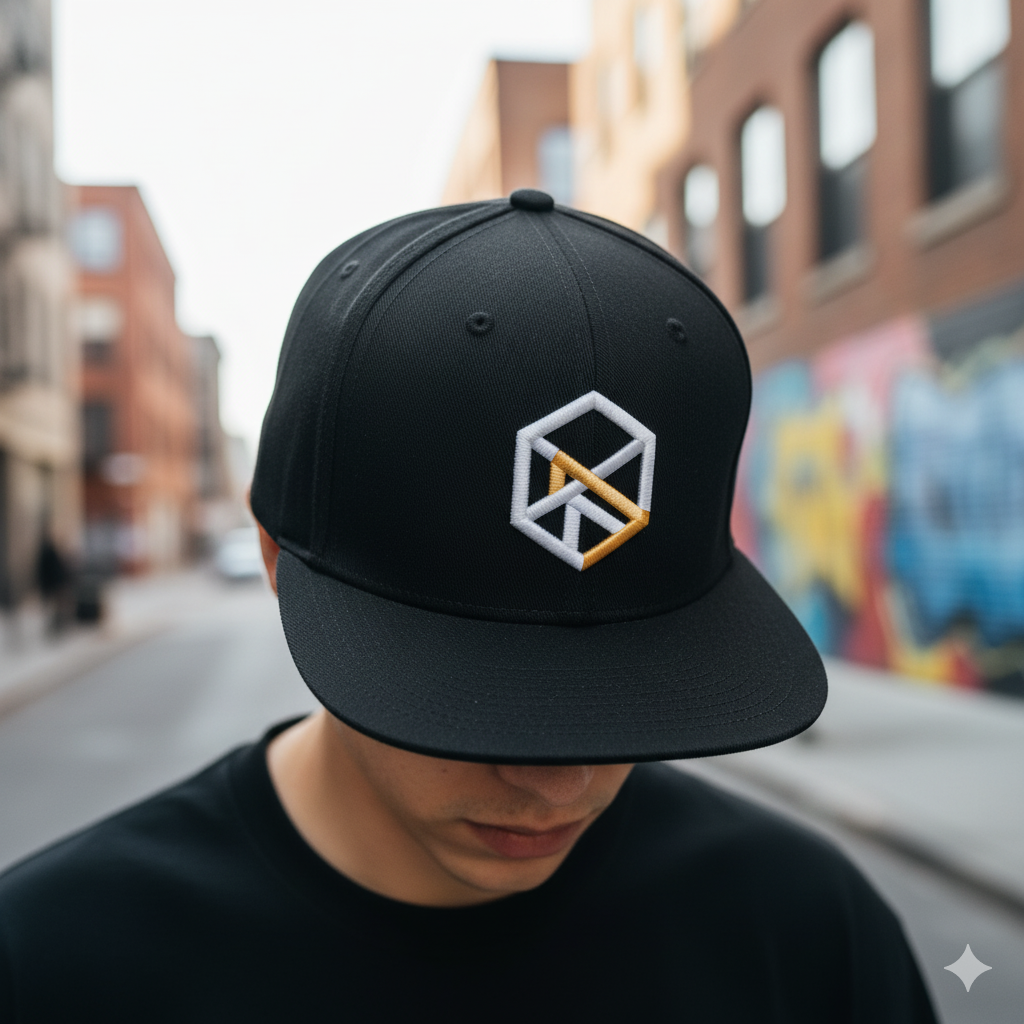
The flat bill hat, known for its iconic straight brim and contemporary appeal, has become a staple in fashion across various demographics. Originally emerging as a part of sports culture, the flat bill hat has transcended its functional roots to become a significant style statement. The design, often associated with urban fashion and hip-hop culture, features a flat, stiff brim, contrasting with the traditional curved caps. With increasing demand, the flat bill hat now comes in diverse materials, colors, and patterns, allowing for personalization and regional adaptation.
Historical Background of Flat Bill Hats
Flat bill hats have a rich history intertwined with both sports and street culture. Initially, these hats were adopted by baseball players in the early 20th century for functional purposes, such as shielding players’ eyes from the sun. The flat bill design offered a modern twist on the traditional curved cap, providing a sharper, more structured look. Over the decades, this style migrated from the sports arena to mainstream fashion, fueled by urban culture, music trends, and celebrity endorsements. The evolution of the flat bill hat exemplifies how functional apparel can morph into an influential fashion icon.
Objectives of the Flat Bill Hat Trend
The primary objective of adopting flat bill hats is multifaceted. For individuals, it serves as a symbol of personal style and cultural affiliation. For brands, promoting the flat bill hat aligns with marketing strategies targeting youth, urban consumers, and trend-conscious audiences. The flat bill hat also facilitates gender-neutral fashion choices, appealing equally to men and women, and even extending to children’s collections. Beyond aesthetics, flat bill hats reflect socio-cultural expressions, allowing wearers to project identity, regional influence, and lifestyle choices through design, color, and embellishments.
Design and Material Innovation
Flat bill hats exhibit a variety of designs and material innovations. Common materials include cotton, wool, polyester, and blends that balance durability with comfort. Advanced manufacturing techniques have enabled the creation of structured crowns, reinforced brims, and moisture-wicking fabrics, enhancing both style and practicality. Regional influences are also evident; for instance, urban markets may favor bold logos and prints, while rural adaptations may incorporate local patterns and eco-friendly materials. The versatility of design ensures that flat bill hats meet fashion trends, functional needs, and consumer expectations simultaneously.
Implementation in Fashion Markets
The adoption of flat bill hats in fashion markets is supported by both traditional retail and digital platforms. Brands employ strategic campaigns that leverage social media influencers, celebrity endorsements, and regional marketing. State-wise benefits are evident as regions with high youth populations and urban centers experience increased retail engagement. Retailers also integrate seasonal collections, limited editions, and collaborations with local artists to enhance consumer appeal. In addition, online customization tools allow customers to personalize flat bill hats, increasing engagement and driving sales.
State-Level Impact and Regional Trends
Different regions exhibit varied responses to the flat bill hat trend. Urban areas with a vibrant street culture tend to adopt flat bill hats rapidly, reflecting lifestyle aspirations and fashion consciousness. In contrast, rural markets often integrate these hats with local traditional attire, creating a fusion of modern and regional styles. Policy frameworks that promote small-scale fashion businesses and local artisans indirectly support the flat bill hat market by enabling production and distribution. Social welfare initiatives, especially those encouraging women entrepreneurship in fashion, have led to increased participation of female designers in the flat bill hat industry.
Success Stories and Case Studies
Several success stories highlight the commercial and cultural impact of flat bill hats. Brands collaborating with popular sports teams, musicians, and influencers have witnessed exponential growth in sales and brand visibility. For example, urban fashion brands in North America successfully incorporated flat bill hats into limited edition collections, driving high engagement on social media platforms. Rural development programs promoting artisan skills have also resulted in the production of regionally inspired flat bill hats, blending traditional craftsmanship with contemporary fashion, thereby creating economic opportunities and enhancing community welfare.
Challenges in the Flat Bill Hat Market
Despite its popularity, the flat bill hat market faces challenges. Market saturation, counterfeit products, and fluctuating consumer trends pose significant risks. Additionally, balancing global fashion influences with regional preferences requires constant innovation and market research. Sustainability concerns have prompted brands to adopt eco-friendly materials and ethical production practices, which may increase production costs. Furthermore, ensuring consistent quality across state-wise markets remains a logistical challenge, especially for small-scale manufacturers and emerging designers.
Comparison with Other Hat Styles
The flat bill hat differs from other hat styles in both form and cultural significance. Unlike curved baseball caps, the flat bill hat maintains a rigid, straight brim, providing a sharper silhouette. Trucker hats, bucket hats, and snapbacks offer alternative fashion choices but often lack the structured aesthetic of flat bill hats. Comparatively, the flat bill hat is more versatile for styling with urban streetwear, sports attire, and casual outfits. This adaptability, combined with its ability to incorporate branding and customization, positions it as a preferred choice in contemporary fashion.
Future Prospects and Trends
The future of flat bill hats appears promising, driven by innovation, cultural trends, and digital engagement. Emerging trends include augmented reality try-on experiences, 3D-printed designs, and collaborations with virtual influencers. State-level initiatives supporting women empowerment schemes and social welfare programs in fashion entrepreneurship can further expand market reach. Rural development initiatives that focus on training artisans in modern hat-making techniques could lead to a diversification of designs and regional appeal. Additionally, sustainability-driven trends, such as biodegradable materials and recycling programs, will shape consumer preferences and industry practices.
Integration with Technology and Digital Platforms
Technology plays a pivotal role in shaping the flat bill hat market. E-commerce platforms facilitate wide distribution and personalized customization. Digital marketing strategies, including influencer collaborations and interactive campaigns, enhance brand visibility and engagement. Additionally, data analytics allows brands to track regional demand, consumer behavior, and product preferences, enabling precise market targeting. Virtual reality and AR applications offer consumers immersive shopping experiences, allowing them to visualize flat bill hats in real-life scenarios, thereby boosting sales and customer satisfaction.
Social and Cultural Significance
The flat bill hat has evolved into more than just a fashion accessory; it is a symbol of identity, cultural expression, and social connection. In urban settings, it often signifies alignment with music, art, and street culture. In rural communities, it can represent a fusion of traditional values with modern aesthetics. Social welfare initiatives promoting community-driven fashion enterprises have also encouraged local adoption of flat bill hats, highlighting their role in social empowerment and economic participation. By reflecting cultural nuances, the flat bill hat continues to resonate with diverse audiences.
Policy Framework and Supportive Initiatives
Government policies and supportive frameworks indirectly influence the flat bill hat industry. Initiatives promoting small businesses, women empowerment schemes, and rural development create opportunities for local artisans to participate in fashion production. Subsidies, training programs, and skill development workshops enhance craftsmanship, enabling the creation of high-quality, regionally inspired flat bill hats. Social welfare programs targeting marginalized communities provide financial support and resources, further strengthening the market ecosystem. Such policies ensure that the flat bill hat industry remains inclusive, innovative, and socially responsible.
Global Comparisons and Market Insights
Globally, the flat bill hat market is characterized by a blend of cultural influence, fashion trends, and consumer behavior. In North America, the hat is synonymous with streetwear and sports culture, while in Europe, it is integrated into casual and urban fashion. Asian markets, particularly in Japan and South Korea, focus on limited edition and high-fashion collaborations. Comparing these trends with local markets reveals opportunities for cross-cultural design integration, strategic branding, and targeted marketing. Brands that understand global influences while catering to regional tastes achieve competitive advantages.
Consumer Behavior and Preferences
Understanding consumer behavior is critical for the success of flat bill hats. Trends indicate a preference for personalized designs, limited editions, and brand collaborations. Regional preferences vary, with urban consumers favoring bold, statement-making hats, while rural consumers prioritize functional designs with cultural relevance. Women empowerment schemes in fashion encourage female consumers to actively participate in design choices and entrepreneurial ventures. By aligning product offerings with consumer expectations, brands can enhance engagement, loyalty, and sales performance.
Sustainability and Ethical Practices
Sustainability has emerged as a crucial aspect of the fashion industry, including flat bill hats. Eco-friendly materials, ethical labor practices, and recycling initiatives contribute to responsible production. Brands adopting these practices not only appeal to environmentally conscious consumers but also enhance their reputation and long-term viability. State-wise benefits from policies promoting sustainable entrepreneurship further support the adoption of green practices in hat manufacturing. This approach ensures that the flat bill hat industry contributes positively to both the environment and society.
Marketing Strategies and Brand Positioning
Effective marketing strategies are essential for the flat bill hat market. Brands leverage social media campaigns, influencer partnerships, celebrity endorsements, and region-specific promotions to attract diverse audiences. State-wise market analysis allows tailored marketing, highlighting local culture and preferences. Online platforms enable targeted advertising and interactive campaigns, enhancing brand engagement. Limited edition collections, seasonal promotions, and collaborations with artists create exclusivity and desirability. Strategic brand positioning ensures that flat bill hats remain relevant, aspirational, and culturally significant.
Integration with Lifestyle and Fashion
Flat bill hats are seamlessly integrated into lifestyle and fashion trends. They complement streetwear, casual attire, and sports apparel, creating a versatile accessory for various occasions. Regional adaptations incorporate local motifs, colors, and materials, ensuring cultural resonance. Women empowerment initiatives in fashion enable female designers to contribute to trendsetting designs, further diversifying the market. By merging aesthetics with functionality, flat bill hats continue to influence fashion narratives and consumer choices across urban and rural landscapes.
Economic Impact and Market Potential
The economic impact of the flat bill hat industry is significant, encompassing production, retail, and digital sales. Rural development programs and social welfare initiatives have facilitated artisan participation, generating employment and income. State-wise benefits from supportive policies enhance market access and scalability. Market potential remains robust, driven by consumer demand, cultural relevance, and innovation. By addressing challenges such as counterfeit products and supply chain management, the industry can achieve sustained growth and profitability.
Conclusion
The flat bill hat represents a fusion of fashion, culture, and socio-economic impact. From its historical roots in sports to its contemporary role in urban and rural fashion, it has become a symbol of identity and style. The industry’s growth is supported by policy frameworks, state-wise initiatives, and social welfare programs, particularly those promoting women empowerment and rural development. Despite challenges, the flat bill hat market remains dynamic, innovative, and culturally significant. By embracing technology, sustainability, and consumer-centric strategies, the flat bill hat is poised for continued success and global relevance.
FAQs
What defines a flat bill hat?
A flat bill hat is characterized by its straight, rigid brim, structured crown, and modern design, distinguishing it from traditional curved caps.
How did flat bill hats become popular?
Originally part of sports attire, they gained popularity through urban culture, hip-hop influence, and celebrity endorsements, evolving into a mainstream fashion item.
Are flat bill hats suitable for all genders?
Yes, flat bill hats are designed as gender-neutral fashion accessories, appealing to men, women, and children alike.
What materials are commonly used for flat bill hats?
They are typically made from cotton, wool, polyester, and blended fabrics, often incorporating advanced features like moisture-wicking and reinforced brims.
How do regional trends influence flat bill hat designs?
Urban areas favor bold, statement designs, while rural regions often integrate traditional patterns and eco-friendly materials, creating culturally relevant variations.
What role do government policies play in the flat bill hat industry?
Policies supporting small businesses, women empowerment, and rural development indirectly benefit the industry by facilitating artisan participation and entrepreneurship.
Can flat bill hats be customized?
Yes, customization options are widely available, allowing consumers to personalize colors, patterns, logos, and other design elements to reflect individual style.

